Health and Safety Policy for Removal Van Belgravia
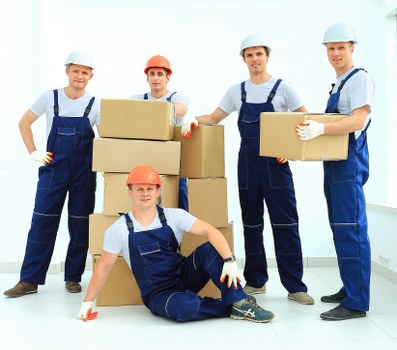 Health and safety is a core priority in every stage of our removal van service. This policy sets out the standards, responsibilities, and working practices that support safe vehicle use, careful handling of property, and well-organised moving operations. Whether the task involves a small domestic move or a larger relocation, our approach is built around prevention, awareness, and consistent control measures.
We recognise that moving work can involve physical strain, time pressure, changing environments, and interaction with heavy items. For that reason, our removal van operations are planned to reduce avoidable risks before work begins. Safety is not treated as an extra step; it is part of the moving process from preparation through to completion.
 Our policy applies to all staff, contractors, and anyone assisting with moving duties. It covers manual handling, vehicle loading, site awareness, equipment use, and conduct on private or shared premises. Every worker is expected to follow safe working practices and to act promptly if a hazard is identified.
Core Principles
We aim to maintain a safe working environment by assessing risks, using suitable equipment, and assigning tasks according to capability. A removal van in Belgravia must be operated with care, particularly when streets, access points, stairs, or parking conditions create added complexity. Planning reduces pressure and helps prevent incidents.
Risk assessment is carried out before each job where practical. This includes reviewing the size and weight of items, entry and exit routes, floor conditions, weather exposure, and any potential obstacles. If a task is considered unsafe, work will be paused until the issue is resolved.
 We also expect clear communication between team members at all times. Instructions should be understood before lifting begins, and any uncertainty about the moving plan must be raised immediately. A coordinated team is safer, more efficient, and less likely to make avoidable errors.
Manual Handling and Lifting
Manual handling is one of the main risk areas in removal work. All lifting must be carried out using safe posture, balanced movement, and appropriate assistance. Workers should avoid twisting while carrying, lifting beyond their ability, or attempting to move items without checking the route first.
Where necessary, lifting aids, trolleys, straps, blankets, and protective covers are used to reduce strain and protect items. Heavy or awkward loads should be moved by two or more people when required. If an object is unusually bulky, unstable, or difficult to grip, the team should stop and reassess the safest method.
Training and supervision help reinforce safe lifting habits. Staff are reminded to take short pauses where needed, report discomfort early, and never continue a task if pain or fatigue is affecting control. Good handling practice protects both people and property.
Vehicle and Load Safety
Loading a removal van must be done in a way that keeps the vehicle stable and the cargo secure. Items are placed to distribute weight evenly, with heavier pieces positioned carefully and fragile items separated or protected as needed. Loose objects are restrained so they do not shift during transit.
Before departure, the van should be checked for roadworthiness, clean access, functioning restraints, and no visible hazards inside the loading area. Doors, ramps, and securing devices must be used correctly. Safe driving depends not only on the route but also on how the load has been arranged.
Drivers must operate with extra caution when visibility is reduced or when roads are congested. Speed, braking distance, and turning angles should always reflect the condition of the load and the vehicle. Safe transport practice is essential to prevent damage, delay, and injury.
Premises, Property, and Public Safety
 Work on any premises must be carried out with respect for the environment and the people present. Floors, doorways, staircases, lifts, and shared access areas should be kept clear wherever possible. If an area becomes slippery, cluttered, or unsafe, the team must take action immediately.
Protective materials such as blankets and covers are used to reduce the risk of scratches, scuffs, and impact damage. Corners, walls, and furniture edges require extra care when moving through narrow spaces. The goal is to complete the move without creating hazards for occupants, visitors, or passers-by.
Where members of the public may be nearby, safe positioning and awareness are especially important. Loads should not block exits or pathways, and equipment should not be left unattended in walkways. A professional moving van operation should remain organised, tidy, and predictable at every stage.
Equipment, Reporting, and Review
 All equipment used in the course of work must be kept in suitable condition and checked regularly. Faulty straps, damaged trolleys, worn gloves, or broken restraints should be removed from use immediately. Correct maintenance supports both efficiency and safety.
Any accident, near miss, or hazard must be reported as soon as possible so that action can be taken and future risk reduced. Reporting helps identify patterns and improve working practices across the business. Each incident is reviewed to ensure lessons are learned and controls remain effective.
This policy is reviewed regularly to keep it relevant and practical. As methods, equipment, and working conditions change, safety measures are updated accordingly. Our commitment remains the same: to deliver a safe removal van service with responsibility, care, and consistent attention to well-being.