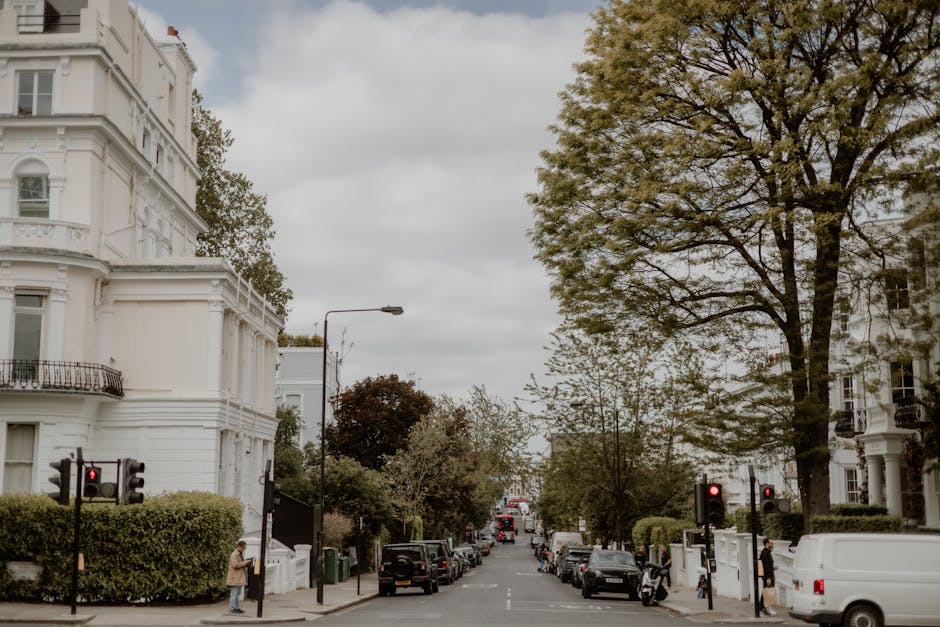
Chester Square man and van tips for central Belgravia
Moving around Chester Square is rarely just a case of loading boxes and setting off. Central Belgravia has its own rhythm: elegant terraces, tight streets, resident parking realities, awkward doorways, and the kind of timing pressure that makes even a small move feel bigger than it looks on paper. That is exactly why Chester Square man and van tips for central Belgravia matter. A well-planned man and van move can save time, reduce stress, and protect your furniture from the little complications that tend to appear in this part of London at the worst possible moment.
This guide walks you through the practical side of moving in and around Chester Square. You will find local-minded advice on access, packing, timing, vehicle choice, safety, and the small details that make the difference between a smooth move and a long, frustrating day. If you are comparing options, booking a man and van service is often the most flexible place to start, but the real value comes from preparing properly.
Expert summary: In central Belgravia, the move itself is only half the job. The other half is planning around access, parking, timing, and load size so the van can work efficiently without creating unnecessary delay.
Table of Contents
- Why Chester Square man and van tips for central Belgravia matters
- How Chester Square man and van tips for central Belgravia works
- Key benefits and practical advantages
- Who this is for and when it makes sense
- Step-by-step guidance
- Expert tips for better results
- Common mistakes to avoid
- Tools, resources and recommendations
- Law, compliance, standards, or best practice
- Options, methods, or comparison table
- Case study or real-world example
- Practical checklist
- Conclusion
- Frequently asked questions
Why Chester Square man and van tips for central Belgravia Matters
Chester Square sits in one of those parts of London where the surroundings look calm, almost hushed, but the logistics can be surprisingly demanding. A move that seems small on the inventory sheet may still require careful timing, a compact vehicle, and a crew that understands how central streets behave on a real working day. That is the first reason the right tips matter: what works in a suburban move often falls apart in Belgravia.
In practice, the main challenges are not dramatic. They are ordinary things that add up. A van that is too large can be awkward to position. Boxes that are not clearly labelled can slow down unloading. A late start can collide with traffic, building schedules, or a tighter unloading window than expected. Nothing catastrophic. Just enough friction to make the day feel heavier than it should.
That is why a man and van move is best treated as a small project, not a quick favour with wheels. You want to think through the route, the loading order, the number of trips, and whether you need help at both ends. If you are moving from a flat, a townhouse, or a managed property, it is worth looking at related services such as flat removals or broader home moves if the job is a little larger than first expected.
There is also the question of trust. In a neighbourhood like central Belgravia, you want a mover that behaves professionally, works cleanly, and respects shared spaces. No one wants scraped walls, blocked access, or a hurried handover that leaves the hallway looking like a warehouse. Truth be told, that part matters just as much as speed.
How Chester Square man and van tips for central Belgravia Works
At its simplest, a man and van service provides a driver and one or more helpers with a suitable van for moving items from one address to another. The model is flexible. You can use it for a few bulky items, a studio flat, a partial house move, furniture collection, or a same-day relocation where time is tight and the load is manageable. In central Belgravia, that flexibility is the whole point.
The process usually works best in three stages. First comes the pre-move assessment: what is being moved, how much space it needs, whether there are stairs or lifts, and how difficult the access is likely to be. Then comes the load plan, which determines the vehicle size, helper count, and move timing. Finally, there is the actual transport and delivery, where careful loading makes all the difference. If you skip planning, the day gets longer. And more expensive, sometimes.
A good operator will ask questions before the move, not just on arrival. They may want to know if there are fragile items, whether parking is possible close to the address, whether furniture needs dismantling, and if there are any particularly awkward items such as a piano or oversized wardrobe. For heavier or specialised goods, a dedicated piano removals or furniture removals service may be more appropriate than a basic van-only arrangement.
In real life, you are not just booking transport. You are booking judgement. The best moves feel boring in hindsight, which is exactly how you want them.
Key Benefits and Practical Advantages
When it is planned well, a man and van move in Chester Square offers a very useful balance of speed, cost control, and flexibility. You are not paying for a massive truck if you only need a sensible-size van. You are also not trapped in a rigid timetable that assumes your move is identical to everyone else's. That makes a difference in central London, where access can be the real bottleneck.
- More flexible timing: useful if you need early starts, late finishes, or a short notice move.
- Better fit for smaller loads: ideal for one-bedroom flats, partial home moves, or a few bulky items.
- Less wasteful than oversizing: no need for a large vehicle if a compact van will do the job.
- Quicker local turnaround: especially for moves within Belgravia or nearby central London streets.
- Easier access management: smaller vehicles can be simpler to position near restricted or tight spaces.
There is another benefit that people often underestimate: emotional ease. A move can feel oddly personal. You are handling furniture, files, kitchenware, photos, the stuff that makes a place feel like yours. If the move is calm and organised, you arrive with more energy to settle in. If it is chaotic, even a short move can leave you drained by lunchtime.
For business users, the advantages are slightly different. A compact move can minimise interruption, especially if you are relocating between offices, moving archive boxes, or shifting equipment without shutting everything down for a full day. In those cases, commercial moves and office removals may be worth comparing if the job sits between personal and professional moving.
Who This Is For and When It Makes Sense
This approach suits a wide range of people. If you live in a Chester Square flat, are moving into or out of a Belgravia townhouse, or need help transporting a few heavy items across central London, a man and van service can be the sensible middle ground. It is especially useful if you do not need a full-size removal team, but still want practical lifting help and a reliable vehicle.
It also makes sense for:
- tenants moving between flats with limited furniture
- homeowners relocating a room at a time
- students or young professionals with a modest load
- landlords moving in or out small inventories
- businesses shifting documents, chairs, or boxed equipment
- anyone needing a short-notice or same day removals option
If your move includes many rooms, large wardrobes, fragile antiques, or a long list of packed boxes, you may still be fine with a van-based approach, but you should consider whether a broader removal services package would make more sense. There is no prize for forcing the smallest option to do the biggest job.
One practical rule of thumb: if you are worried about access, the number of trips, or whether you can physically move everything yourself in one pass, you are probably at the point where professional help is not just convenient. It is sensible.
Step-by-Step Guidance
Here is the straightforward way to organise a Chester Square move without turning it into a mess. Nothing fancy. Just a clear sequence that works.
- List everything that is going. Write down furniture, boxes, fragile items, and anything awkward. If it is bulky or heavy, note it separately.
- Measure the large pieces. A wardrobe or sofa that looks manageable in a room can become awkward in a narrow hallway or stairwell. Measure first, guess less.
- Check access at both properties. Think about stairs, lifts, doorway width, and where the van can safely stop.
- Pack by priority. Keep essentials together and label boxes clearly. Put fragile items in separate, well-padded boxes.
- Choose the right service level. A light move may only need a basic man with van setup, while a heavier or more complex move may benefit from extra hands or a larger vehicle.
- Plan the move time carefully. Early starts often help in central London. Midday can be fine, but traffic and loading conditions may be less predictable.
- Prepare the property. Clear hallways, protect flooring if needed, and keep doors open only when safe and practical.
- Confirm parking and arrival details. Even small delays can snowball. A five-minute misunderstanding can become a half-hour headache. Annoying, but true.
- Do a final walk-through. Check cupboards, behind doors, under beds, and in storage spaces before the van leaves.
- Unpack essentials first. Toiletries, chargers, bedding, kettle, documents. The unglamorous stuff, basically the stuff you will need in the first hour.
If you are also managing packing support, an organised packing and boxes approach or a fuller packing and unpacking services booking can save a lot of time on the front and back end.
Expert Tips for Better Results
The little things matter more than people expect. In central Belgravia, the move can be won or lost on details that seem minor the night before. A good local-style move is often about removing friction before it starts.
1) Keep the load order sensible
Pack the van so items for unloading first are most accessible. If you bury the kettle behind three chairs and a mirror, you will know about it later. A quick loading plan avoids wasted shuffling at the destination.
2) Protect corners and finishes
Older furniture, painted surfaces, and marble-topped pieces deserve extra care. Use blankets, wraps, or at minimum well-secured padding. Belgravia homes often have finishes that show scuffs quickly, and nobody wants to discover a fresh mark on a narrow corridor wall.
3) Keep valuables with you
Passports, keys, cash, jewellery, hard drives, and important paperwork should stay with you rather than travelling in the van. It is a simple habit, but one that saves worry.
4) Be realistic about what one trip can handle
People often overestimate van capacity. Not wildly. Just enough. If you are unsure, ask for a second opinion before the move day. A slightly larger vehicle or a second run can be easier than cramming things in and hoping for the best.
5) Factor in building rules and neighbours
Even if you are only moving a few items, try to keep noise, blockages, and waiting time to a minimum. In a formal residential setting, being polite and efficient goes a long way. It sounds obvious, but it really does matter.
One more thing: if your move involves storage between addresses, it can be easier to book that step separately rather than improvising. A sensible storage arrangement buys you breathing room when completion dates or handover timings are not lining up neatly.
Common Mistakes to Avoid
Most moving problems are predictable. That is the frustrating part. The good news is that the common mistakes are also avoidable if you slow down long enough to spot them.
- Booking too late: last-minute arrangements reduce your options and can create avoidable stress.
- Underestimating access issues: a short street or elegant entrance can still be awkward for loading.
- Overpacking fragile boxes: when a box is too heavy, it is harder to carry and easier to damage.
- Mixing essentials with general load: this leads to a frustrating first night after the move.
- Ignoring furniture measurements: if it cannot fit through the doorway, the schedule changes very quickly.
- Assuming every van is the same: vehicle type, loading space, and helper count all matter.
- Skipping insurance checks: peace of mind should not be an afterthought.
There is also a subtle one: trying to save a little money by doing too much yourself. That can work, of course. But if it leaves you exhausted before the hard part begins, the move has not really been saved at all. Just stretched out.
Tools, Resources and Recommendations
You do not need a warehouse full of equipment. But a few basics make a big difference to how smoothly your move runs.
- Strong boxes: better than flimsy mixed-size boxes that collapse halfway down the stairs.
- Packing tape and marker pens: simple, boring, essential.
- Furniture blankets or wraps: useful for tables, mirrors, and polished finishes.
- Labels or coloured stickers: make room-by-room unloading far easier.
- Basic toolkit: screwdrivers, Allen keys, and a little bag for fixings.
- Reusable bags or tubs: handy for cables, bedding, and loose household items.
If the move is complicated by a full home relocation or business changeover, it can help to pair the van with a more complete service such as house removals, house removalists, or office relocation services. That way you are not trying to stitch together three different plans under pressure.
And if the move involves old furniture that is no longer worth taking with you, you may want to arrange a separate furniture pick up. That keeps the main move cleaner and avoids carrying items you already know you will not use again.
Law, Compliance, Standards, or Best Practice
For a local move like this, the legal and compliance side is usually straightforward, but it still deserves attention. You should always work with a provider that treats safety, insurance, and fair practice seriously. In practical terms, that means clear booking terms, sensible handling procedures, and openness about what is and is not included.
If you are comparing providers, look for plain-English information on matters such as insurance, payments, and terms. It is also wise to check how the company handles complaints, privacy, and security for online payments. Those things are not glamorous, but they are part of a professional service. In a small move, they can be easy to overlook. Not ideal.
For your own part, the best practice is simple:
- give accurate information about item size and access
- do not overload boxes beyond a safe carrying weight
- protect shared spaces from avoidable damage
- keep walkways clear for moving day
- confirm arrival windows and contact details beforehand
It is also sensible to review a company's insurance and safety information before booking. If the move needs a more formal approach to workplace safety, the health and safety policy page can help you understand the standards the business says it follows. For payment concerns, the payment and security page is useful too.
Best practice is not just about avoiding problems. It is about building a move that feels controlled from start to finish. That is the whole game, really.
Options, Methods, or Comparison Table
Not every move needs the same setup. Here is a simple comparison to help you choose the most suitable approach for Chester Square and wider central Belgravia.
| Option | Best for | Typical strengths | Watch-outs |
|---|---|---|---|
| Man and van | Smaller home moves, single items, flexible local moves | Quick, adaptable, cost-conscious | May be tight for larger or awkward loads |
| Removal van | Moves needing a dedicated vehicle without a full team | Good for transport-focused jobs | May still need careful loading support |
| Removal services | Moves with multiple rooms or more complex logistics | Broader support, less pressure on you | Usually more involved than a simple van hire |
| Storage plus transport | When dates do not match or you need flexibility | Breathing room, better sequencing | Requires extra planning and coordination |
If your move is really just a few items, the man and van route is often enough. If it starts looking like a whole household, consider whether removals or a larger removal van setup would be more practical. The best choice is not the fanciest one. It is the one that fits the job without drama.
Case Study or Real-World Example
Picture a small flat move from a Chester Square property to another address a few streets away in central Belgravia. The load is modest: a sofa, a bed frame, two chests of drawers, about a dozen boxes, and a couple of fragile mirrors. On paper, easy. In reality, there is a tight hallway, a narrow internal staircase, and limited stopping space outside.
The successful version of this move came down to preparation. The movers had the boxes labelled by room, the larger furniture measured in advance, and the heaviest items grouped so they could be loaded first and unloaded in a sensible sequence. The client kept essentials in a separate bag. No frantic searching for chargers. No wondering where the bedding had gone. Very boring. Very good.
There was one slightly awkward moment when a mirror needed to be angled carefully through the doorway. Nothing dramatic, but it took a calm pause and a second pair of hands. That is typical of central London moves: the job is usually manageable, but only if someone is paying attention. The move finished on time, the property was left tidy, and the client could start unpacking before the evening light faded over the square. Not a bad outcome at all.
That kind of result is what these tips are really aiming for. Not perfection. Just a quiet, clean, efficient move that does not chew up your whole day.
Practical Checklist
Use this checklist the day before and on the morning of the move. It is simple, but it helps.
- Confirm the booking time and address details
- Check what is being moved and what is staying behind
- Measure bulky furniture and note fragile items
- Pack essentials separately
- Label boxes clearly by room
- Protect mirrors, artwork, and screens
- Make sure stairways and hallways are clear
- Keep keys, documents, and valuables with you
- Review parking or access arrangements
- Walk through the property before the van leaves
If you need support with a specific type of move, it may help to compare related services such as student removals for smaller loads or man with a van if you want a slightly different service style. Small details, but useful ones.
Conclusion
Chester Square and central Belgravia reward good planning. A man and van move can be one of the neatest ways to handle a local relocation, but only if the practical side is respected: access, timing, packing, vehicle choice, and a sensible approach to the load. Get those pieces right and the whole thing becomes easier than you might expect. Maybe not effortless. But manageable, calm, and far less stressful than a last-minute scramble.
Use the tips above as a working checklist rather than a one-time read. The best local moves are built on small decisions made early. That is especially true in central London, where a few minutes of planning can save a surprising amount of hassle later.
Get a free quote today and see how much you can save.
If you want to learn more about the team behind the service, take a look at the about us page, or if you are ready to talk through your move, visit contact us. For a clearer breakdown of costs, the pricing and quotes page is a useful next stop.
Frequently Asked Questions
What is the best way to plan a man and van move near Chester Square?
Start with a clear list of items, measure the largest pieces, and check access at both ends. In central Belgravia, timing and parking often matter as much as the load itself.
Is a man and van service enough for a flat move in Belgravia?
Often, yes. If the flat is small to medium-sized and the furniture is manageable, a man and van service can be a practical choice. If the move is larger, you may want to compare it with flat removals or a broader removals option.
How far in advance should I book?
As early as you can, especially if you want a preferred time slot. Short notice bookings can still work, particularly with same day removals, but availability may be tighter.
What should I pack separately for moving day?
Keep documents, keys, chargers, medication, toiletries, and a change of clothes separate. Those are the items you will almost certainly want first.
Can a man and van help with heavy furniture?
Yes, provided the load is suitable for the vehicle and the crew. For especially large or awkward items, specialised support such as furniture removals may be a better fit.
What if I need storage between addresses?
Storage can be a very sensible bridge if completion dates or handovers do not line up. It helps reduce pressure and keeps the move from becoming a rushed compromise.
How do I avoid delays on moving day?
Label boxes, clear access routes, and confirm the arrival window in advance. The small admin details make a big difference in a busy central London area.
Is insurance important for a small move?
Yes. Even a small move can involve fragile or valuable items. It is sensible to review insurance and safety information before booking.
What is the difference between a man and van and removal services?
A man and van setup is usually more flexible and compact, while removal services can provide a more complete moving package. The right choice depends on how much you need moved and how much help you want.
Are there any special considerations for central Belgravia access?
Yes. Streets can be busy, stopping space can be limited, and elegant buildings often have access quirks. It is smart to ask detailed questions about vehicle access before the move rather than assuming it will be straightforward.
What should I do with items I do not want to take?
Remove them before the move if possible. If you have usable furniture that is staying behind, a separate furniture pick up may be helpful. It keeps the main move cleaner and faster.
How do I know if I need a larger vehicle?
If you have multiple large items, a significant number of boxes, or any concern about fitting everything safely, ask for guidance. It is better to choose a slightly larger setup than to squeeze everything in badly.
One final thought: a smooth move is usually less about luck than preparation. Get the basics right and the day feels lighter, even in the middle of central Belgravia.